
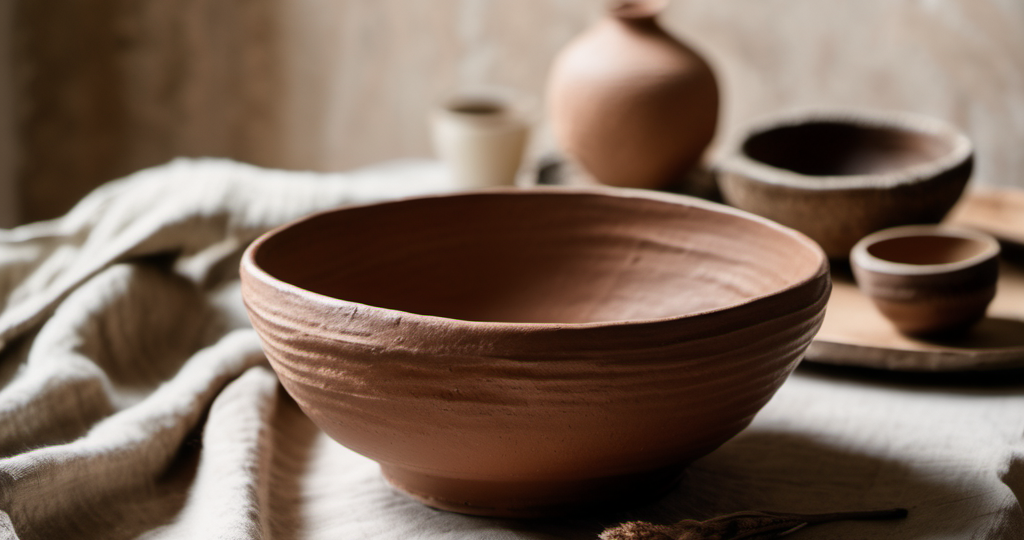
Handle your ceramics with a tender touch. They are vessels that hold stories, memories, and the subtle essence of your home.
Dusting with Delicacy
Regular dusting keeps ceramics looking their best. Use a soft cloth or a feather duster to gently sweep away dust. This prevents buildup and protects the glaze.
For detailed pieces, a soft-bristled brush can reach into nooks and crannies without scratching the surface.
Water and Ceramics
While ceramics are often water-resistant, prolonged exposure can cause issues. Avoid leaving them submerged in water for long periods, as this can damage glazes or cause warping.
When cleaning, a quick rinse with warm water and mild soap is sufficient. Dry thoroughly with a soft cloth to prevent water spots and mineral buildup.
Never the Dishwasher
Handmade ceramics should never see the inside of a dishwasher. The harsh detergents and high heat can erode glazes and weaken the structure over time. Opt for handwashing with care.
Repairing Chips with Kintsugi
Chips and cracks are an inevitable part of a ceramic’s journey. Instead of discarding them, embrace the Japanese art of kintsugi. This ancient technique repairs broken pottery with lacquer mixed with powdered gold, silver, or platinum, highlighting the beauty in imperfection.
“Kintsugi teaches us that damage and repair can be embraced, not hidden, to add depth and character.”
Storage Tips
Store your ceramics in a dry, cool place. Avoid stacking them, as this can lead to chips and cracks. Use soft dividers or towels to protect delicate pieces from each other.
For ceramics with lids, store the lid separately to avoid warping or sealing it permanently to the base.
The Takeaway
- Dust gently with a soft cloth or feather duster.
- Handwash with mild soap and warm water, dry thoroughly.
- Use kintsugi to repair chips and embrace the beauty of imperfection.